

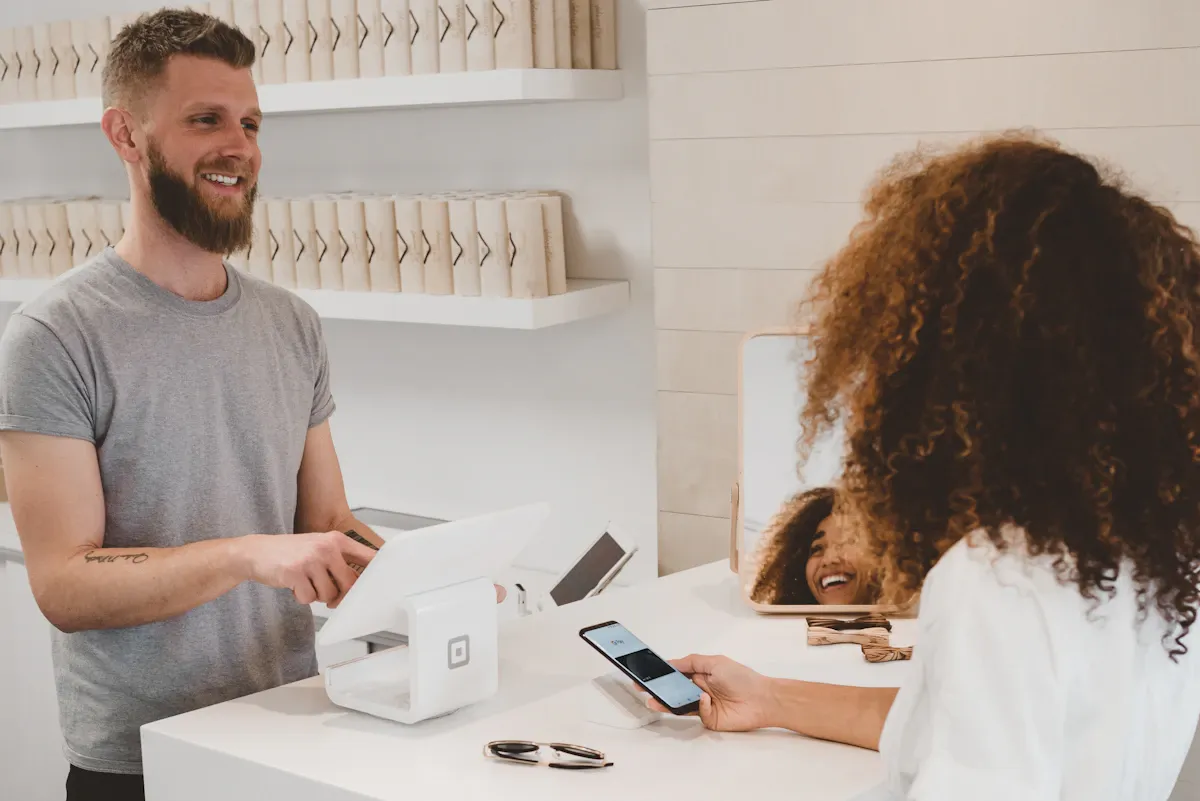
“My customers seem happy — so why isn’t the business getting busier?”
If that thought has ever crossed your mind, you’re sitting on the asset business owners waste most often: word of mouth marketing. This article shows you how to turn already-happy customers into a self-running referral engine — through user-generated content (UGC), testimonials, referral programs, and WhatsApp communities — all of which you can run from your phone, without a big ad budget.
The timing fits. Early September marks Indonesia’s Red Cross Day (Hari Palang Merah Indonesia) — a symbol of gotong-royong, the spirit of mutual help and community. That same spirit drives word of mouth: people help each other, recommend each other, trust each other. Your only job is to give them a reason and an easy way to do it.
Key Takeaways
- Recommendations are trusted more than ads. Word of mouth is a high-conversion channel because prospects arrive already carrying trust.
- Happy customers ≠ recommending customers. Satisfaction doesn’t automatically become a referral — you have to ask, and make it easy.
- Four core engines: UGC (user-generated content), testimonials, referral programs, and WhatsApp community/broadcast.
- Zero startup cost. All of it can begin from your phone with a simple system, not paid ads.
- Consistency wins. One testimonial request per day beats one big campaign once a year.
Why Is Word of Mouth Marketing Still the Most Powerful in 2026?
Word of mouth marketing is still the most powerful because people trust people, not ads. When a friend says “this laundry is spotless and fast,” that recommendation carries far more weight than any promo banner.
In 2026, digital ad costs in Indonesia keep climbing and feeds are more crowded than ever.1 Meanwhile, many prospects tend to decide on a purchase after reading reviews or hearing recommendations from people they know.2 That means while competitors burn cash on ads, you can win with an asset you already own: satisfied customers.
What sets word of mouth apart from advertising is the trust that’s already built in up front. Referred customers tend to decide faster, haggle less over price, and stay more loyal — because they arrive not out of curiosity, but out of trust.
Why Don’t Happy Customers Automatically Recommend You?
Happy customers don’t automatically recommend you because satisfaction is silent — it needs to be nudged into action. Someone can be thrilled with your service, then go home and forget about it because life is busy.
Three barriers usually hold recommendations back:
- Never asked. Most customers won’t recommend on their own initiative, but most are willing to when asked kindly.
- Too much hassle. If leaving a review takes five steps, most people give up halfway.
- Missed the moment. The urge to recommend peaks right after a good experience — not a week later.
Your job is to build a system that prompts recommendations at the right moment and makes them as easy as possible. Not to hope for luck.
💡 Tip: Save one thank-you message template in your Notes app or WhatsApp Business quick replies. Every time a customer says “thank you,” reply with that template — with a review link or share prompt already inside. Recommendations grow from small consistent habits, not occasional big campaigns.
The Four Referral Engines (and How to Run Them From Your Phone)
There are four core engines of word of mouth marketing. You don’t need to run all four at once — start with one, then add more as it becomes a habit.
1. UGC — User-Generated Content
UGC is the photos, videos, or stories customers create about your product. It’s the most authentic advertising because it isn’t you doing the talking. How to prompt it: create a photogenic spot (a pretty corner of the cafe, cute packaging), display an easy-to-remember handle/tag, and repost every time a customer tags you. The more you repost, the more people post.
2. Testimonials & Reviews
Testimonials are social proof you can control and display over and over. Collect screenshots of praise chats, quotes from Google reviews, and photos of happy customers. Google reviews carry double weight: they build trust and lift your local search ranking. If you’re serious about this, study our Google review strategy to collect them systematically.
3. Referral Programs
A referral is a recommendation you give structure and (sometimes) an incentive. The simplest form is a two-way reward — both the referrer and the new customer get something. Example: “Bring a friend, you both get 20% off.” Track it simply with a unique code, or just ask “how did you hear about us?” at checkout.
4. WhatsApp Community & Broadcast
WhatsApp gives you a direct line to loyal customers, free from algorithms. Build a broadcast list (not a noisy group) and send valuable info: new products, limited stock, tips, or early access. Direct messaging is increasingly the primary customer-relationship channel for Indonesian SMEs.3 Loyal customers often forward your messages to their circles — that’s where digital word of mouth kicks in.
Comparing the Four Engines: Which Should You Start With?
Each engine has different strengths. This table helps you pick a starting point based on your type of business and the time you have.
| Engine | Cost | Setup Time | Best for | Core Strength |
|---|---|---|---|---|
| UGC | Rp 0 | Low | Cafes, salons, beauty clinics, shops | Authentic, organic reach |
| Testimonials & reviews | Rp 0 | Low–medium | Every type of business | Builds trust + local SEO |
| Referral program | Rp 0 – incentive cost | Medium | Laundry, workshops, clinics, courses | High conversion, measurable |
| WhatsApp community | Rp 0 | Medium | Businesses with repeat orders | Direct channel, algorithm-proof |
For most SMEs, the most logical order is: start with testimonials & reviews (the trust foundation), then UGC (free reach), and finally referrals & WhatsApp community (the long-term growth engines).
📌 Important: Don’t try to run all four engines in week one. The “busy owner” persona fails precisely from too many initiatives. Pick one, make it a habit for a month, then add the next. Small consistent wins beat a big launch that runs out of breath.
How to Ask for Testimonials Without Sounding Pushy
The way to ask for testimonials without being pushy is to ask at the peak moment of satisfaction and make it as simple as possible. Timing and ease matter far more than a reward.
A formula you can use right away:
- Wait for the satisfaction signal. The customer says “wow, great,” “so fast,” or simply “thank you.” That’s your green light.
- Ask sincerely and specifically. “If you don’t mind, could you leave a review on Google? It really helps a small business like ours.” Mentioning “small business” taps into the gotong-royong spirit.
- Remove all friction. Send a direct link to your Google review page. Don’t make them hunt for it.
- Give an example, don’t dictate. “Just one or two lines about your experience today would help a lot.”
- Say thank you and show the result. Repost their review (with permission) — it makes other customers want to join in.
For businesses that rely on local search, Google reviews are the top priority. Combine these tactics with Google Business Profile and reviews optimization so every testimonial also lifts your ranking in Google Maps.
Building a WhatsApp Community That Doesn’t Scare Customers Off
A healthy WhatsApp community gives value first, then sells. If it’s just promo spam, customers mute or leave immediately — and you lose your most valuable channel.
Practical principles for building one:
- Use broadcast, not a noisy group. A broadcast list sends personal messages without disruptive group chatter. Groups only work when the community genuinely wants to interact.
- The 80/20 rule. 80% of content gives value (tips, info, early access, stories), 20% is direct selling. Customers who feel given to buy and forward more easily.
- Make them feel like insiders. Announce new products or promos on WhatsApp before social media. That sense of exclusivity is what makes customers forward your message to friends.
- Ask permission to join. Add contacts only after customers agree — for example, by offering a promo when they save your number. This keeps the list “warm” and lowers the risk of being blocked.
This is the purest form of owning the customer relationship: you’re not renting an audience from an ad platform, you own it directly.
Designing a Referral Program That Profits Without Eroding Your Margin
A healthy referral program offers an incentive that feels valuable to the customer while still fitting your margins. The most common mistake is discounting so heavily that every recommendation actually loses money.
How to structure it safely:
- Calculate from margin, not sale price. If your gross margin is Rp 40,000 per transaction, a referral incentive of Rp 10,000–15,000 still leaves a profit — while still feeling “worth it” to the customer.
- Choose non-cash incentives when possible. An add-on product, a service upgrade, or points often feel more valuable to the customer and cost you less than a cash discount.
- Keep the rules dead simple. “Bring a friend, you both get one item free” spreads more easily than a confusing tiered points scheme.
- Track it the lightest way possible. A unique code per customer, a special hashtag, or just a manual “referred by whom” note at checkout is enough for a small business. You don’t need expensive software.
A real example: a per-kilo laundry can offer a “referral card” — each customer who brings in one new friend gets one free wash on their next visit. The cost is small (just the COGS of one wash), but it prompts customers to actively spread the business’s name. The key: referrals only compound if your product or service is genuinely worth recommending. A referral program isn’t a patch for a mediocre product — it’s a lever for one that’s already good.
💡 Tip: Activate the referral offer right after a customer leaves a five-star review. They’re at peak satisfaction — the most fertile moment to invite them to bring a friend. One well-timed invitation beats ten ignored announcements.
A Simple Calendar: Running All of This Without Running Out of Time
The secret of owners whose word of mouth keeps spinning isn’t hours of hard work — it’s small, consistent routines. Here’s a realistic weekly rhythm you can run in minutes a day, straight from your phone:
| Frequency | Activity | Estimated Time |
|---|---|---|
| Every transaction | Ask for a review/testimonial at the happy moment | 30 seconds |
| Daily | Repost 1 customer UGC (if tagged) | 2 minutes |
| Weekly | Send 1 valuable WhatsApp broadcast | 10 minutes |
| Weekly | Invite 1–2 loyal customers into referrals | 5 minutes |
| Monthly | Recap: where did new customers come from? | 15 minutes |
That monthly recap matters: it tells you which engine is most productive for your business, so you can double down on what works and stop wasting energy on what doesn’t. Word of mouth marketing isn’t about doing everything — it’s about doing a few right things, over and over.
How Eranya Digital Helps Your Word of Mouth Actually Work
Word of mouth needs one thing to keep spinning: a credible place to land. When a customer recommends you, the curious person immediately searches Google — and what they find decides whether that recommendation bears fruit or evaporates.
That’s where we come in. Eranya Digital helps Indonesian SMEs build the foundation that makes recommendations easy to convert: an optimized, review-rich Google Business Profile, a simple web page that showcases testimonials and a WhatsApp button, and a review-collection system that runs on autopilot. We don’t sell ad hype — we build a trust engine that works for you 24/7.
The principle is the same as gotong-royong: a community lifting each other up. Your business can grow that way — happy customers lifting new customers, round and round.
Have happy customers who aren’t yet a referral engine? Take a free marketing audit — we’ll show you three quick steps to turn your customers’ satisfaction into measurable recommendations. Book now →
References
<script type="application/ld+json">
[
  {
    "@context": "https://schema.org",
    "@type": "Article",
    "headline": "Word of Mouth Marketing: Turn Happy Customers Into a Referral Engine",
    "description": "A word of mouth marketing guide for Indonesian SMEs in 2026: build UGC, testimonials, referral programs, and WhatsApp communities that generate recommendations without a big ad budget.",
    "image": "https://eranya.digital/images/blog/trust-signals.webp",
    "author": {"@type": "Organization", "name": "Eranya Digital", "url": "https://eranya.digital"},
    "publisher": {"@type": "Organization", "name": "PT Eranya Digital Nusantara", "logo": {"@type": "ImageObject", "url": "https://eranya.digital/images/logo.png"}},
    "datePublished": "2026-09-03",
    "dateModified": "2026-09-03",
    "mainEntityOfPage": {"@type": "WebPage", "@id": "https://eranya.digital/blog/community-word-of-mouth-marketing/"},
    "inLanguage": "en-US",
    "keywords": ["word of mouth marketing", "community marketing for SMEs", "customer referral program", "how to ask for testimonials", "WhatsApp broadcast marketing"],
    "articleSection": "Konversi"
  },
  {
    "@context": "https://schema.org",
    "@type": "FAQPage",
    "mainEntity": [
      {"@type": "Question", "name": "What is word of mouth marketing and why is it effective?", "acceptedAnswer": {"@type": "Answer", "text": "Word of mouth marketing is the organic recommendation of your business from one person to another — through conversations, chats, or social media posts. It works because people trust recommendations from friends, family, and fellow customers far more than paid ads. For SMEs, it's the cheapest and highest-converting channel because prospects arrive already carrying trust."}},
      {"@type": "Question", "name": "How do I ask for testimonials without sounding pushy?", "acceptedAnswer": {"@type": "Answer", "text": "Ask at the right moment — right after a customer expresses satisfaction (after a haircut, picking up an order, or replying 'thank you' in chat). Make it effortless: send a direct link, give a sample sentence, or ask for just one or two lines plus a photo. The key is removing friction, not offering big rewards. A sincere thank-you is enough for most customers."}},
      {"@type": "Question", "name": "Does a referral program need to offer discounts or rewards?", "acceptedAnswer": {"@type": "Answer", "text": "Not always, but a small incentive usually speeds things up. The simplest referral program rewards both sides: the referrer and the new customer each get something (a discount, an add-on, or points). What matters is that the incentive fits your margins and is easy to redeem. Many SMEs succeed with appreciation-based referrals and no big discounts, as long as the product is genuinely worth recommending."}},
      {"@type": "Question", "name": "How do WhatsApp groups help community marketing?", "acceptedAnswer": {"@type": "Answer", "text": "A WhatsApp group or broadcast gives you a direct line to customers who already trust you — free from the reach limits of social media algorithms. You can announce promos, new products, or limited stock, and loyal customers often forward it to their own circles. The key is providing value (info, tips, early access) rather than just sales spam, so customers keep opening your messages."}}
    ]
  }
]
</script>
Footnotes
-
DataReportal. (2026). Digital 2026: Indonesia. datareportal.com/reports/digital-2026-indonesia — Trends in rising digital ad costs and competitive density on Indonesian social media. ↩
-
Think with Google. Consumer Insights: Indonesia. thinkwithgoogle.com/intl/en-apac/consumer-insights/ — General Indonesian consumer behavior trends showing reliance on reviews and trusted recommendations before purchase decisions. ↩
-
Meta for Business. (2025). Messaging & Community Commerce in Indonesia — Trends in WhatsApp and direct messaging as customer-relationship channels for SMEs. ↩
Frequently Asked Questions About Word of Mouth Marketing
What is word of mouth marketing and why is it effective?
Word of mouth marketing is the organic recommendation of your business from one person to another — through conversations, chats, or social media posts. It works because people trust recommendations from friends, family, and fellow customers far more than paid ads. For SMEs, it's the cheapest and highest-converting channel because prospects arrive already carrying trust.
How do I ask for testimonials without sounding pushy?
Ask at the right moment — right after a customer expresses satisfaction (after a haircut, picking up an order, or replying 'thank you' in chat). Make it effortless: send a direct link, give a sample sentence, or ask for just one or two lines plus a photo. The key is removing friction, not offering big rewards. A sincere thank-you is enough for most customers.
Does a referral program need to offer discounts or rewards?
Not always, but a small incentive usually speeds things up. The simplest referral program rewards both sides: the referrer and the new customer each get something (a discount, an add-on, or points). What matters is that the incentive fits your margins and is easy to redeem. Many SMEs succeed with appreciation-based referrals and no big discounts, as long as the product is genuinely worth recommending.
How do WhatsApp groups help community marketing?
A WhatsApp group or broadcast gives you a direct line to customers who already trust you — free from the reach limits of social media algorithms. You can announce promos, new products, or limited stock, and loyal customers often forward it to their own circles. The key is providing value (info, tips, early access) rather than just sales spam, so customers keep opening your messages.